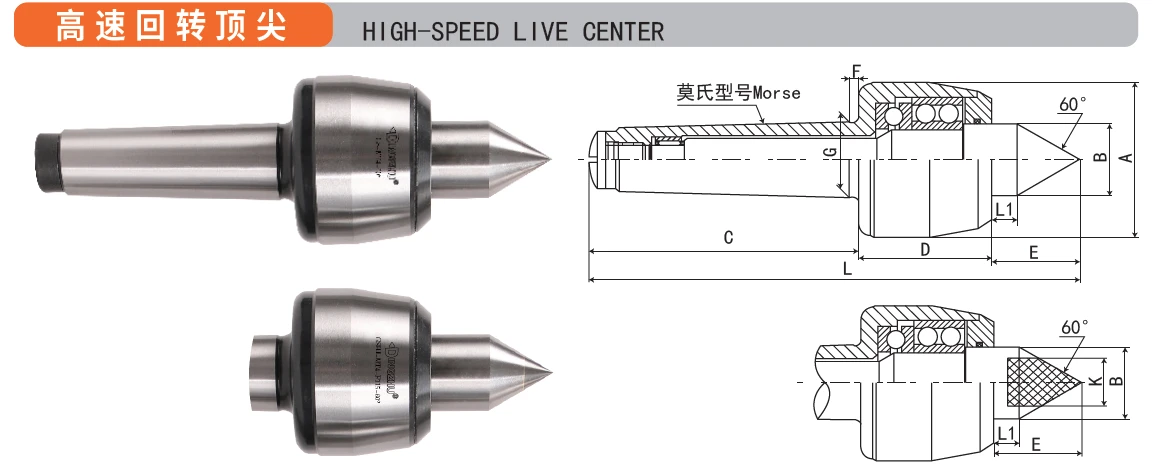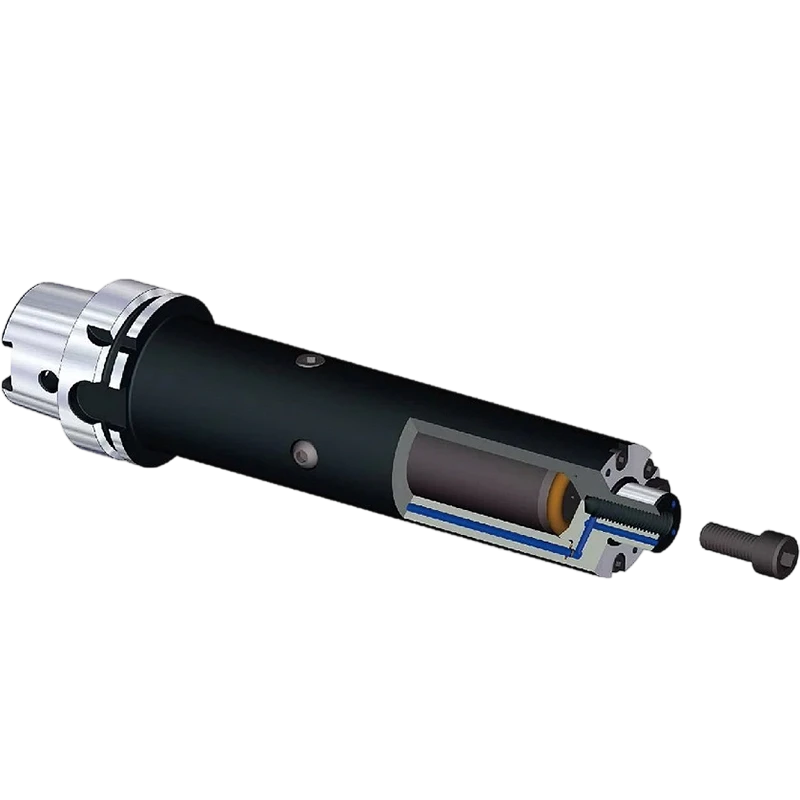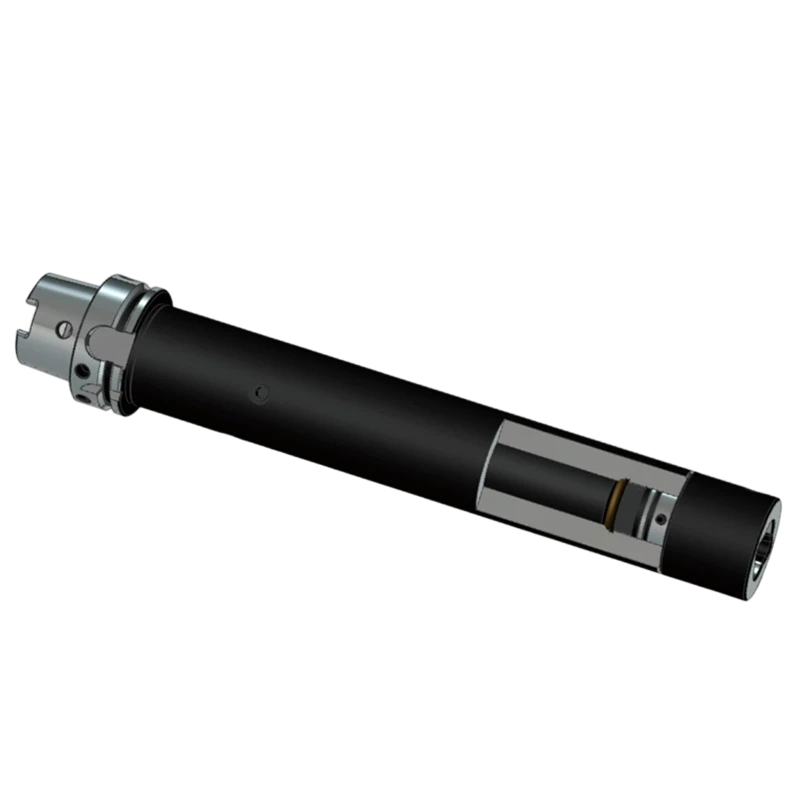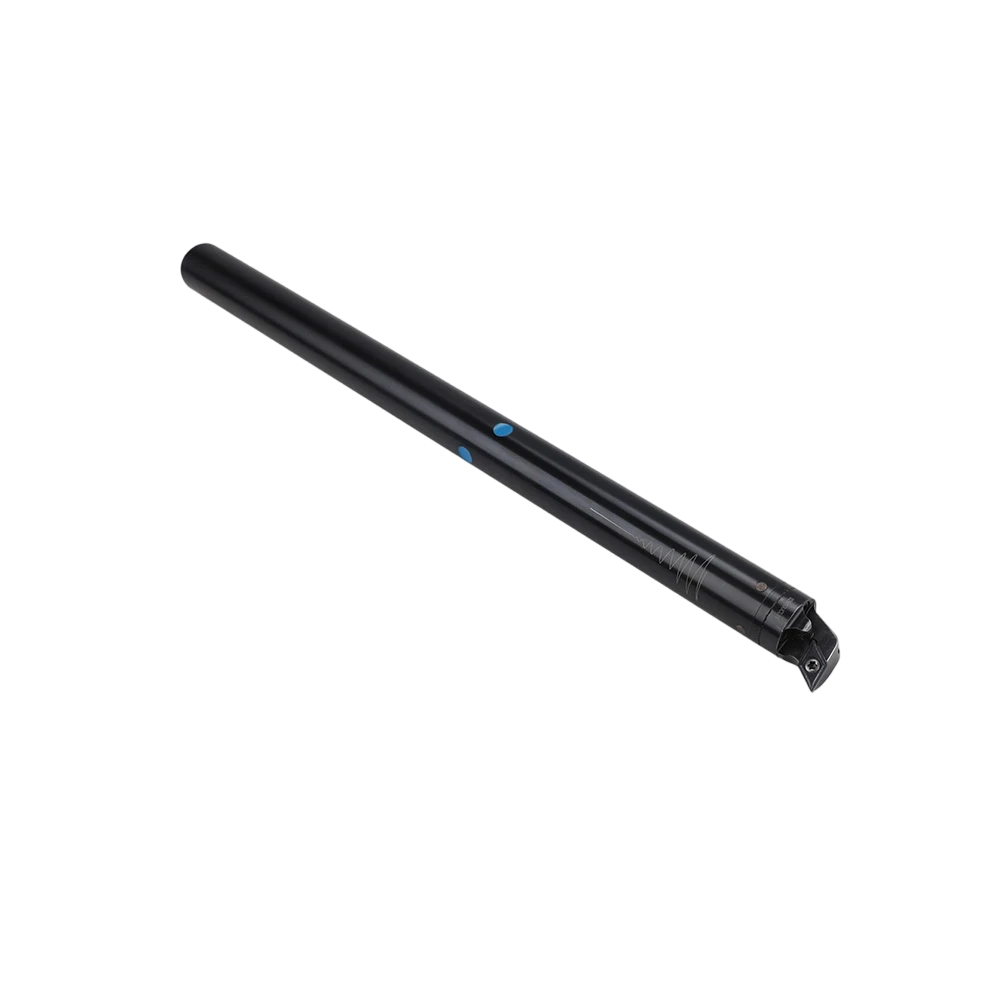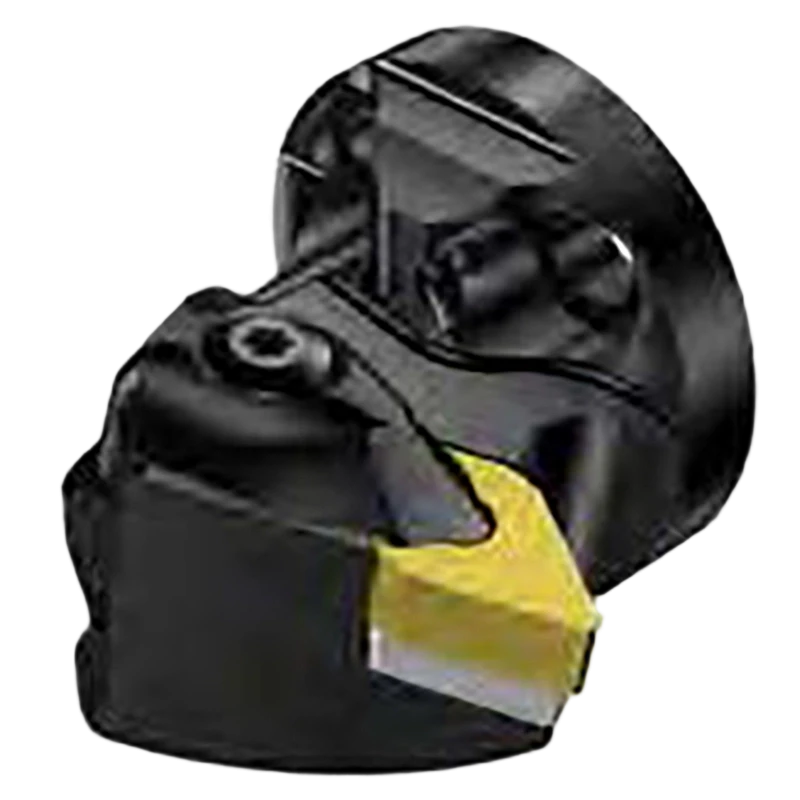


A High Speed Live Center is a rotating tailstock center that supports the end of a workpiece while its internal bearings let the center point turn with the work. Its maximum speed is the highest rotational speed it can safely sustain under specified conditions—not a universal RPM figure. Choosing the right rating helps manufacturers avoid excess heat, premature bearing failure, poor surface finish, and costly unplanned downtime.

Why speed ratings matter in modern turning
Live centers developed alongside faster and more capable lathes. As spindle speeds and production demands increased, center manufacturers had to manage friction, heat, lubrication, sealing, and runout more carefully. A modern High Speed Live Center is therefore a precision assembly, not simply a pointed support.
In turning operations, the center supports long or slender stock and helps resist deflection under cutting forces. That support can improve dimensional stability and surface finish, particularly when a workpiece is held between centers. The correct speed rating matters in CNC turning, shaft machining, and other operations where sustained rotation can expose weak points in the bearing system or setup.
What limits the maximum speed of a high-speed live center?
The practical limit is set by the most restrictive component or operating condition in the system. A center’s catalog RPM is meaningful only when the specified lubrication, load, mounting, and operating conditions are respected.
1. Bearing design and internal heat
The bearings carry radial and axial loads while rotating. Bearing type, size, internal clearance, preload, precision, and cage design affect friction and heat generation. As RPM rises, even small friction losses can raise operating temperature. Excessive heat can thin lubricant, change clearances, damage seals, and shorten bearing fatigue life.
Standards such as ISO 281 provide methods for calculating rolling-bearing rating life, while ISO 21940-11 addresses procedures and tolerances for balancing rotors with rigid behavior. These standards help describe relevant engineering practices; they do not, by themselves, certify a particular live center for a specific RPM.
2. Lubrication and sealing
Grease type, fill quantity, viscosity, and relubrication interval all influence high-speed performance. Too much grease can cause churning and heat; too little or degraded grease can increase wear. Seals also create friction, and their temperature capability may become a limiting factor. Follow the manufacturer’s lubrication instructions rather than assuming that adding more grease improves protection.
3. Rotational balance and runout
Imbalance creates centrifugal force that increases rapidly with speed. Poor balance, damaged contact surfaces, contamination, or excessive runout can cause vibration, chatter, and uneven bearing loading. Inspect the center point, taper, and seating surfaces, and verify concentricity with suitable metrology equipment. A measurement resolution of 0.01 mm may be useful for routine checks, but the required tolerance depends on the machining process and the manufacturer’s specification.
4. Axial load, center pressure, and workpiece geometry
A live center’s speed capacity is not independent of load. Excessive tailstock pressure can increase bearing load and friction. A heavy, long, or poorly balanced workpiece can also raise vibration and deflection. Workpiece diameter, overhang, center-hole condition, material, and cutting forces all affect the safe operating window.
5. Machine interface and operating environment
The tailstock quill, taper fit, spindle condition, and machine alignment contribute to the complete setup. Chips, coolant, contamination, or a damaged Morse taper can compromise seating. Ambient temperature and continuous duty can also matter: a center that performs acceptably during a short cycle may overheat during prolonged production.
How to determine a safe operating speed
Use the lowest applicable speed limit, not the highest number printed on one component. Check the center documentation, machine limits, tooling requirements, and workpiece conditions before increasing RPM.
- Confirm the center’s rated speed. Check the exact model and the conditions attached to its rating, including lubrication and load.
- Check every connected limit. Compare the center rating with the lathe, workholding, workpiece, and process limits. The system maximum is the lowest of these limits.
- Inspect and mount correctly. Clean the taper and center hole, confirm secure seating, and check for damage or excessive runout.
- Apply appropriate center pressure. Use enough axial force to support the work without overloading the bearings.
- Ramp up cautiously. Increase speed in controlled steps and monitor vibration, noise, and temperature. Stop if any condition changes unexpectedly.
- Record results. For a production qualification, document the center model, RPM, load, lubrication, runout, temperature, and inspection findings. A 100% inspection of critical setup checks may be appropriate where the risk assessment or quality plan requires it.
When verifying dimensions or runout, use calibrated instruments and a documented method. ISO 21940-11 and ISO 281 can inform balancing and bearing-life considerations, while the center manufacturer’s specifications remain essential for product-specific operating limits. Do not treat a general standard as a substitute for the center’s rated speed.
Common misconceptions that can lead to failure
- “The maximum RPM is the same in every job.” It can change with load, duty cycle, lubrication, workpiece balance, and temperature.
- “A faster lathe makes any center safe at higher speed.” The center and the entire setup must be rated for the intended conditions.
- “More tailstock pressure means better support.” Excessive pressure can raise bearing load and heat rather than improve stability.
- “Low vibration proves the center is within its rating.” A quiet setup is not proof of safe bearing temperature or acceptable long-term life.
- “A standard supplies one universal live-center RPM.” Standards address defined engineering methods; the applicable product rating and setup conditions still govern.
Illustrative shop-floor example
Consider a hypothetical production setup with a live center rated for 12,000 RPM under its specified conditions, a workholding component limited to 8,000 RPM, and a workpiece whose balance and overhang require a lower validated process speed. The center’s 12,000 RPM rating does not make 12,000 RPM safe for the job. The operator must use the lowest applicable limit and qualify the actual setup.
During a controlled trial, the team might record runout to the process tolerance, check temperature at defined intervals, and listen for changes in bearing noise while increasing speed in steps. If vibration or temperature rises abnormally, the trial stops; the cause may be center pressure, balance, fit, lubrication, or a damaged component. These example figures describe a method, not an Ounuowei product specification.
Choosing an Ounuowei High Speed Live Center
When evaluating an Ounuowei High Speed Live Center, match the product’s documented RPM and load information to the operation rather than selecting by speed alone. Confirm the center type, point geometry, taper, bearing arrangement, lubrication requirements, and intended duty. Ask for the applicable technical data when a specification is unclear, and keep the approved operating conditions with the setup documentation.
A useful comparison records rated speed, permitted axial load, point style, taper, runout specification, lubrication method, and service requirements. For critical production, define acceptance checks in the quality plan and retain inspection records. This makes it easier to investigate wear, repeat a successful setup, and protect both throughput and part quality.
Key takeaway
What limits the maximum speed of a high-speed live center? The answer is the combined effect of bearing heat and life, lubrication, sealing, balance, runout, axial load, workpiece condition, and machine setup. Use the lowest system rating, follow the manufacturer’s operating instructions, and validate the real production setup before raising speed. A carefully selected High Speed Live Center can support stable turning, protect equipment, and help keep production consistent.
Review the operating conditions for your application and compare them with the current Ounuowei product documentation before placing a center into service.